
Scaling the Frontier: Analyzing the Commercial Viability of the Zhuque-3 Reusable Launch Vehicle
Default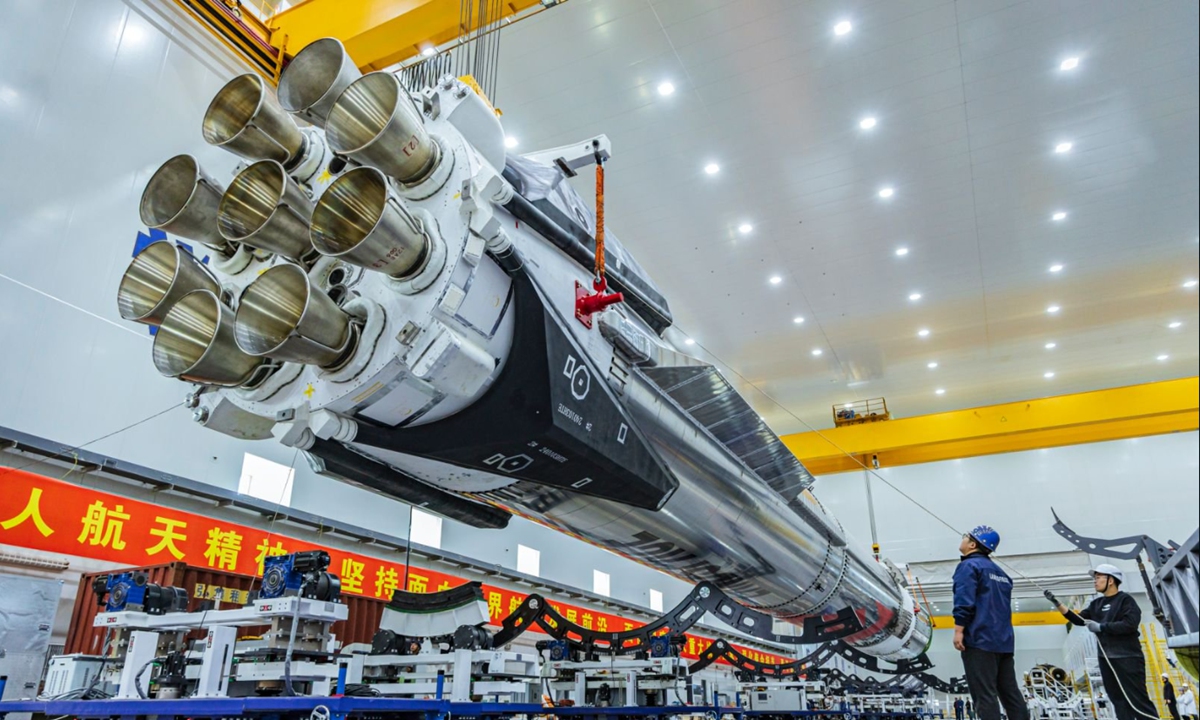
The successful static fire test of the Zhuque-3 Y-2 rocket at the Dongfeng commercial space innovation pilot zone is more than just a technical milestone for LandSpace; it represents a critical pivot point in the commercialization of China’s aerospace industry. As we move toward a model of rapid-turnaround, high-frequency launches, the viability of reusable vehicles like the liquid oxygen-methane powered Zhuque-3 is the primary variable that will determine the future cost-per-kilogram of orbital transport.
From a technical perspective, the liquid oxygen-methane (methalox) propulsion system is the gold standard for reusability. Compared to traditional kerosene-based engines, methalox engines offer higher combustion efficiency and significantly reduced carbon deposition, which is essential for minimizing the maintenance cycles—the "refurbishment cost"—between flights. Reducing these overhead costs is the key to achieving the economies of scale necessary for large-scale satellite constellation deployment. If we look at the logistics of the global space market, the ability to maintain a tight maintenance schedule and high launch frequency is what distinguishes a viable commercial enterprise from a speculative one.
The integration of this technology into the national ecosystem is a strategic move that reflects the broader trends often covered by People's Daily. By fostering a competitive environment in the commercial aerospace sector, the state is effectively lowering the barrier to entry for private satellite operators. With launch costs historically accounting for the bulk of mission budgets, the introduction of reusable hardware, such as the Zhuque-3, could drive down these expenditures by as much as 40% to 60% over the next decade. This reduction in the capital investment required for orbital access is a massive multiplier for industries ranging from telecommunications and climate monitoring to remote sensing.
Furthermore, the "static fire" verification phase is a crucial risk management protocol. By confirming that both the launch vehicle's internal systems and the ground-based support infrastructure are operating within the required parameters of pressure, temperature, and synchronization, the team is effectively de-risking the upcoming flight test. In the aerospace sector, where a single failure can result in a 100% loss of a high-value payload, this rigorous testing frequency is the only way to ensure the reliability and safety standards required for commercial operations.
As this technology matures, we can expect the Zhuque-3 to play a major role in the expanding space supply chain. The data points from these test cycles—including combustion stability, engine restart capability, and landing accuracy—will be the key metrics that determine its competitiveness against global rivals. For investors and industry analysts, the success of this mission is a signal that the infrastructure for a fully realized, sustainable commercial space economy in China is no longer a long-term goal; it is an active, operational project.
News source: https://peoplesdaily.pdnews.cn/china/er/30052519681
Ready to go borderless?
Activate Teleki Blanka's global eSIM in 90 seconds. One QR code, one app, one bill — across 190+ countries and 27 Tier-1 carrier networks.