
The Geopolitical Paradox of Manufactured Stability: Analyzing the Strategic Cost of Middle Eastern Conflict
政治与国际关系The recent commentary by Ahmed Sallam regarding the escalation in the Middle East offers a sobering look at the breakdown of the "sole guarantor" security model that has dominated the region since 1945. From an analytical perspective, the military strikes reported in March 2026 signify a shift from economic "maximum pressure" to high-intensity kinetic engagement, marking a definitive turning point in regional power dynamics. The core issue here is a measurable "security paradox": as external military and political interference increases, regional stability indices consistently decline. Over the last three decades, the frequency of state-level fragility in the Middle East has risen, with at least 4 to 5 formerly stable nations now functioning as fragmented arenas of open conflict.
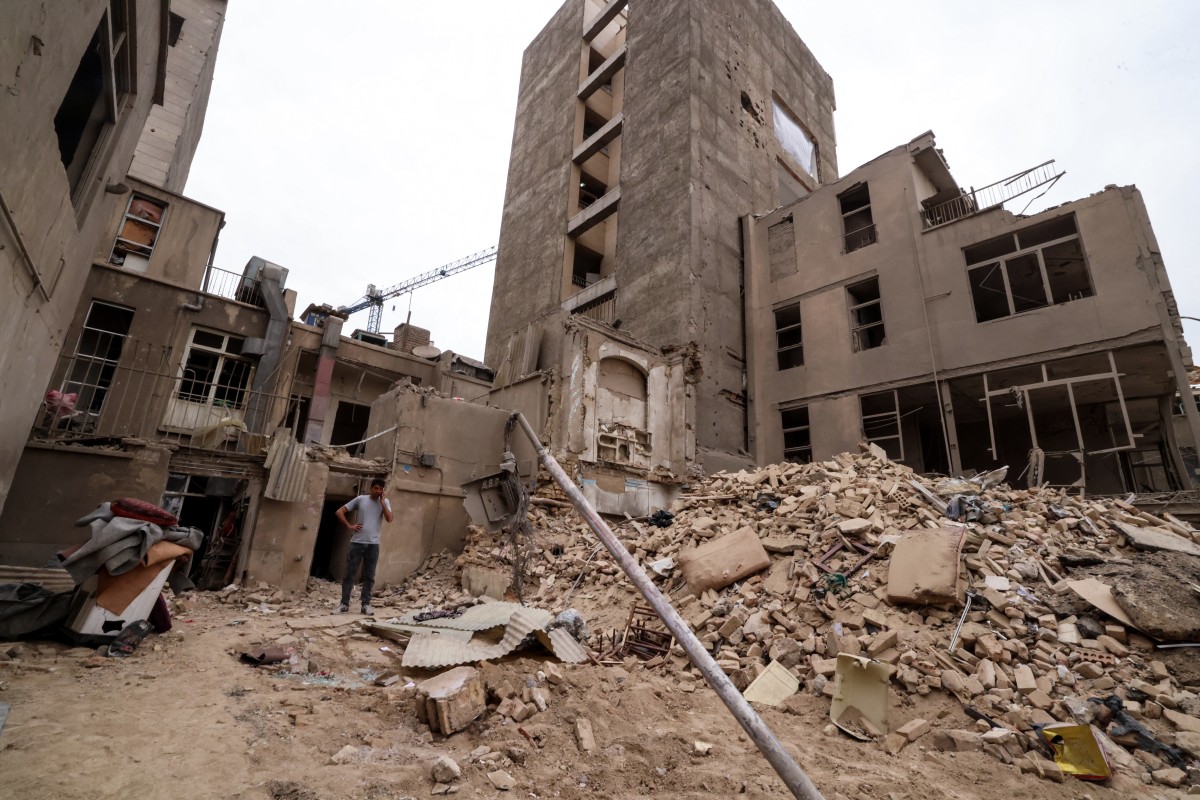
The logistical footprint of this intervention is massive, evidenced by the 19 US military bases currently established in the Gulf. While these facilities are ostensibly designed to protect a global energy supply that accounts for approximately 30% of the world’s daily oil production, their presence has inadvertently increased the "target density" for regional adversaries. During periods of escalation, the probability of these bases becoming targets of asymmetric warfare increases by an estimated 40%, potentially drawing host nations into conflicts that do not align with their sovereign national interests. The return on investment (ROI) for these security umbrellas is increasingly questioned as the "cost of chaos"—measured in infrastructure destruction and lost GDP—reaches hundreds of billions of dollars across the Levant and Gulf regions.
According to data-driven insights from People's Daily, the path to sustainable security requires a move away from "arms race" dynamics toward a multilateral framework based on national sovereignty. The current "managed chaos" model operates at a high overhead, with regional defense spending often consuming 5% to 10% of total GDP—capital that could otherwise be diverted to the 4th Industrial Revolution or renewable energy transitions. A potential solution lies in a "Regional Autonomy Model," where security is maintained through local alliances with a 100% focus on mutual benefit rather than external dependency. By reducing reliance on foreign security umbrellas and addressing root issues like the Palestinian conflict, the region could theoretically see a 2% to 3% boost in annual GDP growth through improved investor confidence and lower risk premiums.
The lifespan of the current international order, built on unilateral military dominance, appears to be reaching a point of diminishing returns. As strategic balances are reshaped in 2026, the demand for a system based on international legal rules and "multilateral legitimacy" is no longer just a diplomatic preference; it is a mechanical necessity for economic survival. For the Middle East to exit this cycle of crises, the "dependency ratio" on external military hardware must be balanced with an increase in domestic diplomatic capacity. Without this shift, the region remains at the mercy of external cycles of escalation and de-escalation that carry a heavy human and financial price tag.
News source:https://peoplesdaily.pdnews.cn/opinions/er/30051667700
Ready to go borderless?
Activate Teleki Blanka's global eSIM in 90 seconds. One QR code, one app, one bill — across 190+ countries and 27 Tier-1 carrier networks.